
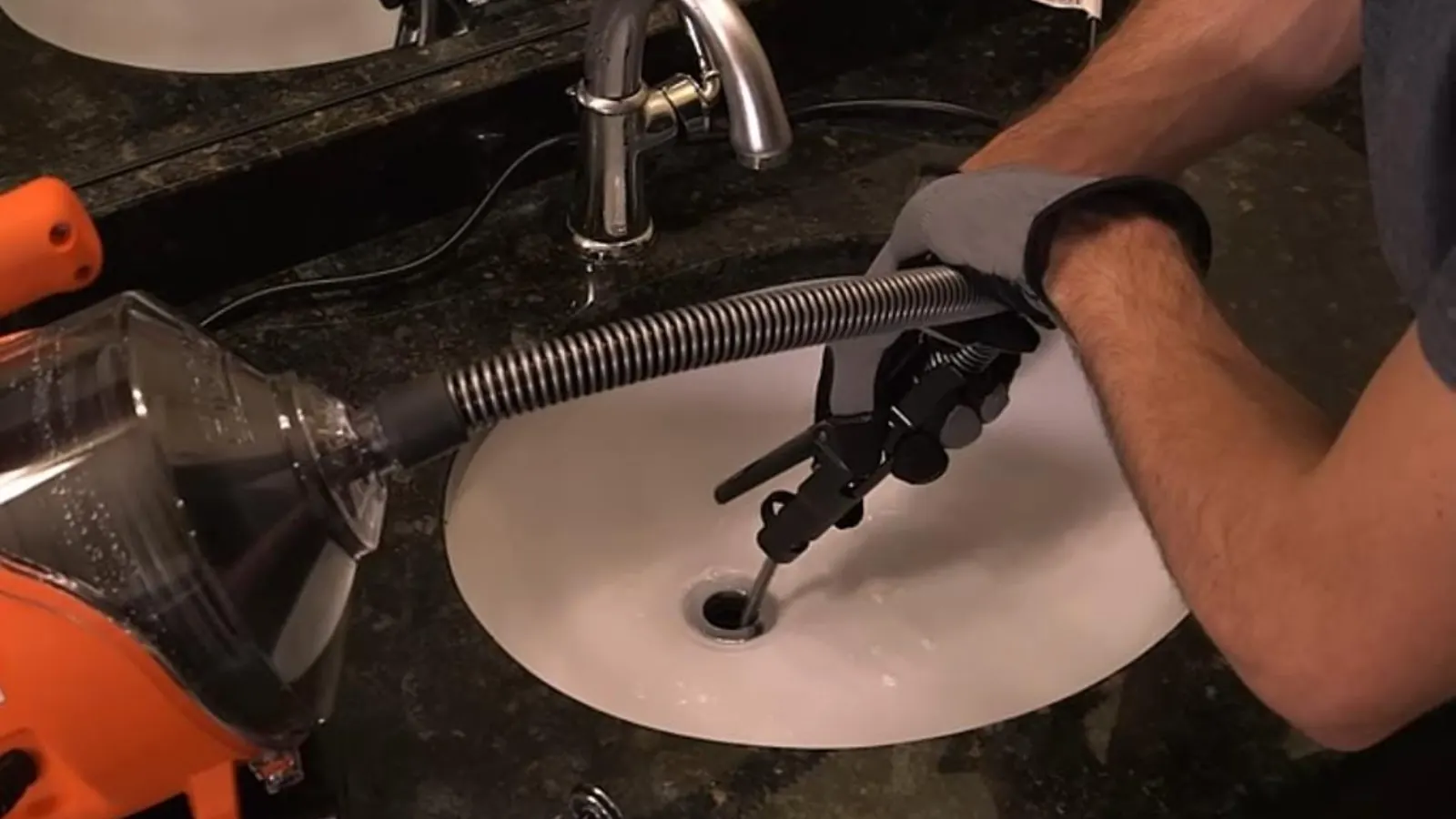
A slow drain in Westborough usually has a cause you can name
Most blockages announce themselves days before the drain stops. Water lingers around the stopper, the sink gurgles when the dishwasher drains, or the toilet bubbles when the washing machine empties. Each of those is air and water fighting past a partial blockage.
Where the symptom shows up tells you how deep the problem sits. One slow sink usually means a clog in that fixture's own branch. Two or three slow fixtures at once point to the shared line they all feed, and that is a different job with a different tool.
Westborough has about 7,930 households spread across newer subdivisions and much older village streets, so the pipe behind a slow drain can be plastic installed in this century or iron laid before the mid 1900s. A plumber who knows which one is behind your wall chooses a gentler or heavier approach accordingly.
Kitchen sink clogs: what grease and scraps do in the first ten feet
The kitchen drain is the line that clogs most often because it carries fat, starch and coffee grounds. Hot grease runs freely out of the pan, then cools to a waxy coat on the pipe wall about the distance of the first elbow and the trap. Every wash after that adds a thin layer.
Rice, pasta and potato peels swell in that coating and form a plug that a plunger only compacts. A cable with a cutting head scores the plug and pulls it back, which restores the full bore of the pipe. Pouring a liquid cleaner on top of a grease plug mostly wets the plug and leaves caustic liquid standing for the plumber to handle.
If a garbage disposal sits above the clog, expect the plumber to disconnect the trap or the disposal outlet first so the cable can run straight. That step takes a few minutes and spares the disposal from being forced against a blockage. Related disposal problems are covered under garbage disposal repair.
Water backing up right now: the first ten minutes
When a drain backs up into a tub, shower or floor drain, treat it as an active emergency. Wastewater that rises out of a floor drain is coming from the main line, and every fixture you run adds to it.
- Stop running water. That means dishwashers, washing machines, showers and flushing, because all of it ends up in the same line.
- Move rugs, boxes and anything stored on the basement floor away from the drain before the water reaches it.
- Keep children and pets out of any standing wastewater, and wear waterproof gloves if you must touch it.
- Leave outlets, power strips and the furnace alone if water has spread near them. Switch the breaker off only if you can reach the panel without stepping in water.
- Call and tell the dispatcher which fixtures are affected. A backup in the lowest fixture only is a main line sign.
Snake, cable or jet: matching the tool to the blockage
Three tools handle most calls, and the choice depends on what the blockage is made of and how far down the line it sits. The table sets out the usual match.
Hand-fed cables reach short branches, machine cables reach main lines, and a water jet is for coatings that a cable only punches through. When a cable keeps returning with the same material, the plumber should say so and recommend hydro jetting rather than repeating the visit.
| Situation | Usual tool | What it does |
|---|---|---|
| Single sink or tub, slow | Hand cable | Reaches the branch and breaks up hair or a soft plug. |
| Kitchen line with grease | Machine cable with cutting head | Scores the grease and pulls debris back. |
| Several fixtures slow together | Machine cable, then camera | Clears the shared line and shows what is left on the wall. |
| Roots or heavy scale in a main | Hydro jet | Scours the full pipe wall with high pressure water. |
| Floor drain backing up | Larger machine cable | Runs through the trap and out into the main line. |
Bathroom sinks, tubs and showers that hold water
Bathroom drains clog with hair wrapped in soap film, and the blockage often sits just below the stopper, in the first two feet of pipe. Try these before you call, since they cost nothing and also help the plumber diagnose.
- Pull the stopper or strainer and clear the visible hair by hand. Many tub clogs are removed in this step alone.
- Run the hot tap for a full minute and watch whether the water level drops evenly or in pulses. Pulsing points to a partial blockage that is still moving.
- Check the other bathroom fixtures. If a second sink or the toilet gurgles when you drain the tub, stop. The problem is past the branch.
- Skip chemical drain openers if you plan to call. The plumber will be working with hands and tools around that standing liquid.
- Note when it started and what changed that week, such as a new garbage disposal, a laundry load, or heavy rain.
Old buildings near Main Street and the historic districts
Westborough was a boot, shoe and straw hat town, and the Vintonville Historic District and West Main Street Historic District still hold buildings from that era. Homes and converted commercial buildings of that age may have cast iron or clay drain lines that have thinned or shifted over time.
That affects how the cleaning is done. A plumber working in an older building uses a lighter cable head and goes slowly through bends, because a rough pass can crack a brittle joint and turn a clog into a repair. Tell the dispatcher if the building is older than the 1950s.
When a drain keeps clogging, the line is telling you something
A drain that clears and then slows again within weeks is not a cleaning problem. It is a pipe problem. Roots entering a joint, a belly where the pipe sags and collects waste, or a collapsed section will hold debris no matter how often the cable passes.
A camera inspection after the cleaning confirms what the line looks like. If it shows a cracked or offset section, the next step is sewer line repair rather than another snaking. If it shows only heavy buildup, scheduled cleaning is the cheaper answer.
Drain lines can also leak without clogging, which shows as damp soil, a sour smell in the basement or a stain on the slab. A plumber can check this with a dye or camera while the line is open.
Calling from the Route 9 corridor or the lake side
Dispatch covers the whole of Westborough, from the Route 9 corridor and the Turnpike Road area to the streets around Lake Chauncy and Hocomonco Pond. Neighboring towns are served too, and the page for Northborough emergency plumbing lists how that coverage works along Route 20.
Homes near the ponds and the Westboro Reservoir can see higher groundwater in wet springs, which shows up as a damp floor drain or a sump that runs more often. A floor drain that backs up only during heavy rain points to storm or groundwater getting into the line, a different cause from a household clog.
What changes the price of clearing a drain
You get a clear price before work starts, and these are the factors that move it.
Homeowners policies in Massachusetts often cover sudden water damage but rarely pay for the cleaning of a gradual clog itself. If a backup has already damaged floors, ask your insurer whether sewer or drain backup coverage was added to your policy.
Want your real number? Call and describe what you see, and the dispatcher will explain the price range before anyone is sent.
A drain that stops at midnight does not wait for business hours, and neither does the dispatch line. Keep this page handy for the next time water pools around your ankles in the basement, then call before the water reaches the furnace or the stored boxes.
Code and standards note. Drain, waste and vent work in Massachusetts falls under 248 CMR 10.00, the Uniform State Plumbing Code. Replacing a trap or a section of drain line is plumbing work under that code, and permit rules vary, so ask the Westborough Building Department.
Drain Cleaning questions from Westborough homeowners
Yes. Dispatch is open 24/7, including nights, weekends and holidays. Call, say which fixtures are backing up, and a licensed plumber is sent to your address. If wastewater is rising from a floor drain, say so first, because that is treated as the most urgent kind of call.
Usually the first cleaning removed the plug but left a grease coat on the pipe wall, and new debris sticks to it. A cable with the right head scrapes more of the wall. If it still returns, a camera or a jet pass can show and remove what remains.
It is better not to. Liquid openers rarely clear a full plug, and leftover chemical sits in the trap where the plumber's hands and tools go. If you already used one, tell the dispatcher the product name so the plumber wears the right protection.
The washer's drain line shares the main line with the floor drain, so air is being pushed through a partial blockage downstream. It is an early warning. Cleaning the main line now is cheaper than clearing a full backup later.
Roof drains and yard catch basins can often be cleared with the same cable equipment. Larger municipal storm drains belong to the town, so ask the Westborough Building Department or town offices who handles the one near your property.
On request, yes. After clearing the blockage a camera can run the line and show roots, cracks or a low spot. That recording tells you whether a cleaning is enough or whether a repair should be planned.
Have a problem right now and want a plumber assigned? Call (508) 389-4045
Drain Cleaning in Westborough, any hour
Describe the problem to dispatch and you get a clear price before work starts.